Coordinating Cash Flows With Tier Advances in Mobile Platforms That Merge Reels, Cards, Live Feeds, Offers, and Support Channels
Written by Olivia Long · Oct 22, 2026
Coordinating Cash Flows With Tier Advances in Mobile Platforms That Merge Reels, Cards, Live Feeds, Offers, and Support Channels
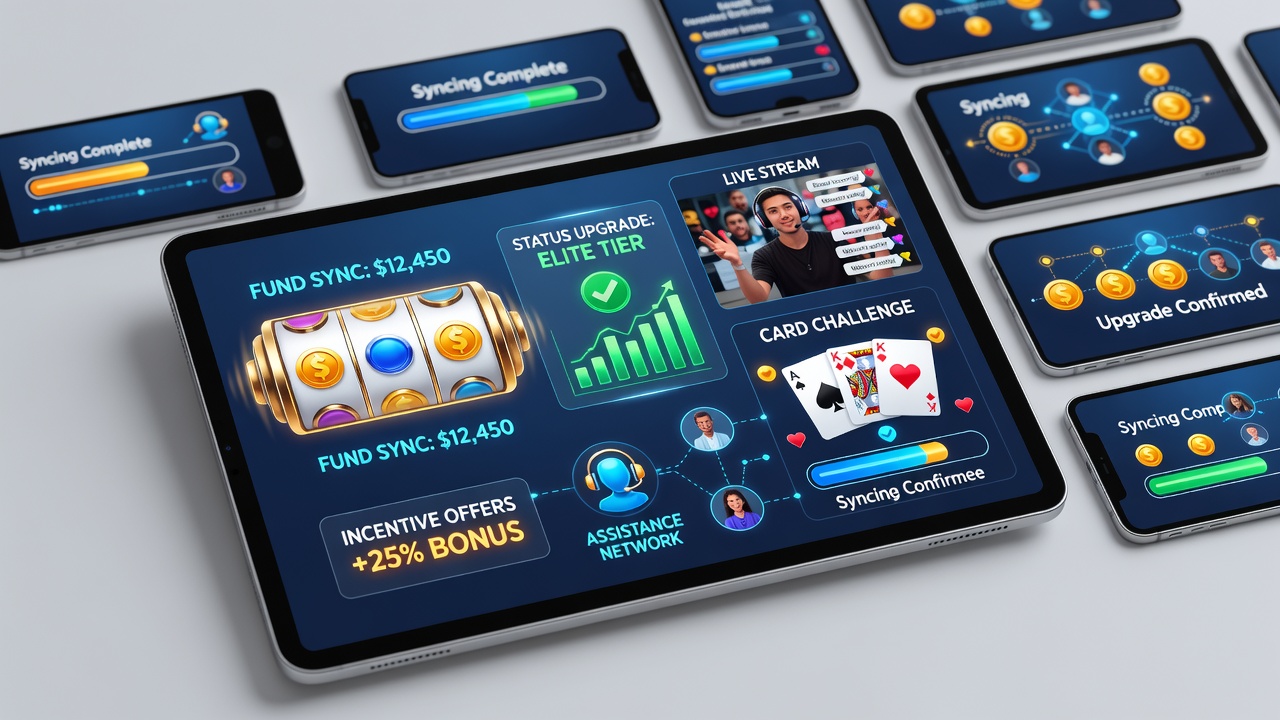
Systems that link deposit and withdrawal actions directly to loyalty tier calculations now operate across numerous smartphone applications, and these platforms combine spinning reels, card tables, live video streams, promotional incentives, and dedicated assistance teams into single user experiences. Observers note that operators design these integrations so a completed transaction triggers an immediate review of play activity, which then feeds into status calculations without requiring separate user actions. Data from industry reports shows transaction volumes in mobile segments rose steadily through 2025, and this growth prompted developers to refine the timing between fund movements and tier updates.
Mechanics of Transaction and Status Alignment
Real-time application programming interfaces connect payment processors to loyalty engines, so when a player completes a deposit the system records the amount, timestamps the action, and compares it against predefined thresholds for the next tier. Card challenges and reel sessions contribute points at different rates, while live streams add multipliers during peak hours, and these combined metrics determine how quickly status advances occur. Support networks monitor these flows through dedicated dashboards that flag delays, allowing teams to resolve discrepancies before they affect user accounts. Researchers at various institutions have documented how such coordination reduces manual interventions by up to 40 percent in high-volume environments.
October 2026 brought several platform updates that further tightened these connections, and operators introduced features where withdrawal requests automatically pause loyalty calculations until funds clear, preventing partial progress from registering incorrectly. This approach keeps records accurate across multiple game types that run simultaneously on the same device.
Role of Live Elements and Incentive Structures
Live dealer sessions add another layer because real-time betting data streams into the same loyalty database that tracks reel spins and card outcomes. Incentive offers activate based on current tier level, so a player who reaches a new status during a live stream receives an instant bonus code through the assistance channel rather than waiting for a separate notification. Those who study these systems find that the synchronization relies on event-driven triggers instead of batch processing, which shortens the window between action and reward delivery. Figures from trade associations indicate that platforms using these methods report higher retention during promotional periods compared with older systems that processed updates overnight.
Support Networks and Regional Oversight
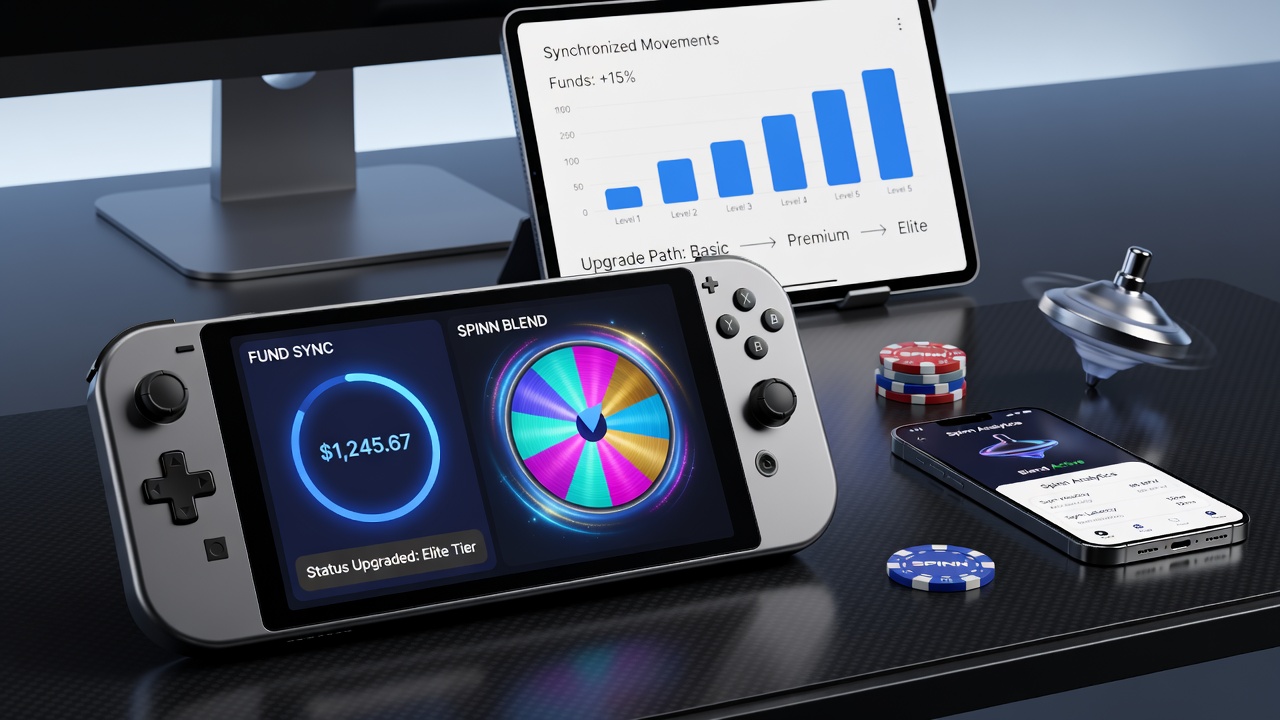
Assistance teams serve as the final checkpoint when automated systems encounter edge cases, such as large transfers that exceed standard verification limits or promotions tied to specific game categories. In regions like Ontario, the Alcohol and Gaming Commission of Ontario requires operators to maintain logs that show every transaction-status interaction, and similar requirements appear in other jurisdictions that license mobile gaming. These records help regulators verify that upgrades occur only after legitimate financial activity and that incentive offers do not bypass established rules.
One case study from an Australian operator revealed that integrating support chat directly into the transaction flow cut resolution time for tier-related queries from hours to minutes, because representatives could access the same data pipeline that feeds the loyalty engine. This setup allows quick corrections when a live stream multiplier fails to apply correctly or when a card challenge contributes points at an unexpected rate.
Future Adjustments in Platform Design
Developers continue to test machine learning models that predict when a player will reach the next tier based on current transaction patterns and game preferences, and these predictions trigger preemptive status checks once funds move. The result appears in smoother progressions where users see tier changes almost immediately after completing qualifying activity across reels, tables, and streams. Trade groups such as the American Gaming Association have noted increasing adoption of these predictive tools in mobile segments during 2026, though implementation varies by operator size and regulatory environment.
Conclusion
Portable gaming interfaces now treat financial movements and status upgrades as interconnected processes rather than separate functions, and the combination of reels, cards, live streams, incentives, and support channels creates multiple pathways for progress. Systems that synchronize these elements rely on shared data pipelines, event triggers, and human oversight to maintain accuracy across sessions. As platforms refine these connections through 2026 and beyond, the emphasis remains on precise timing and verifiable records that satisfy both user expectations and regulatory standards in different markets.